


Does Homeowners Insurance Cover Roof Leaks?
Understanding When Insurance Covers a Roof Leak
Roof leaks can catch you off guard. One day your home feels safe and dry, and the next you see a dark stain spreading across the ceiling or hear droplets hitting the floor. If you are in Utah, this is a familiar moment for many families who deal with sudden windstorms, heavy snow, or old shingles giving out. The biggest question that comes after that first discovery is simple. Will my insurance cover this?
This guide walks you through what your policy usually pays for, what it normally declines, and how to position yourself for the best outcome. If you are dealing with a leak right now or trying to prevent a future headache, this resource will give you clear answers and a better sense of control.
What We’ll Cover:
- Does homeowners insurance cover roof leaks
- When insurance will approve a roof leak claim
- When insurance typically denies coverage
- How to document damage for a smoother claim
- How Utah weather affects insurance decisions
- How to prevent insurance issues in the future
When Insurance Covers Roof Leaks
Insurance companies look at one key point first. Was the damage sudden and accidental. If the leak appeared right after a specific event, you have a strong chance of approval.

Events insurance usually covers:
- Wind tearing or lifting shingles
- Hail striking the roof and bruising shingles
- Snow or ice causing sudden impact damage
- Trees or flying debris landing on the roof
Insurance typically covers both the roofing material and any interior damage. That includes wet insulation, stained or sagging drywall, damaged paint, and flooring affected by water. As long as the cause is tied to a qualifying event, the policy is designed to help restore your home to its previous condition.
Most homeowners are relieved to learn that temporary repairs may also be reimbursed. If you used a tarp or hired someone for an emergency patch, save the receipts. These costs are often included in the final payout.
When Insurance Will Deny a Roof Leak Claim
Insurance companies draw a clear line between sudden damage and gradual deterioration. Damage that builds up slowly is almost always classified as a maintenance issue, and maintenance is the homeowner’s responsibility.
Claims often get denied when the leak is caused by:
- Old age or natural deterioration
- Cracked shingles from long term sun exposure
- Missing shingles that have been gone for an extended period
- Poor installation from a previous contractor
- Improper attic ventilation leading to moisture
- Mold growth from slow or neglected leaks
Insurance companies expect homeowners to act early when signs of wear appear. If the adjuster sees proof that the leak has existed for a long time, approval becomes unlikely. This is why documenting the day you discovered the problem is so important. It helps establish a clear and credible timeline.

Utah Weather and How It Impacts Roof Leak Claims
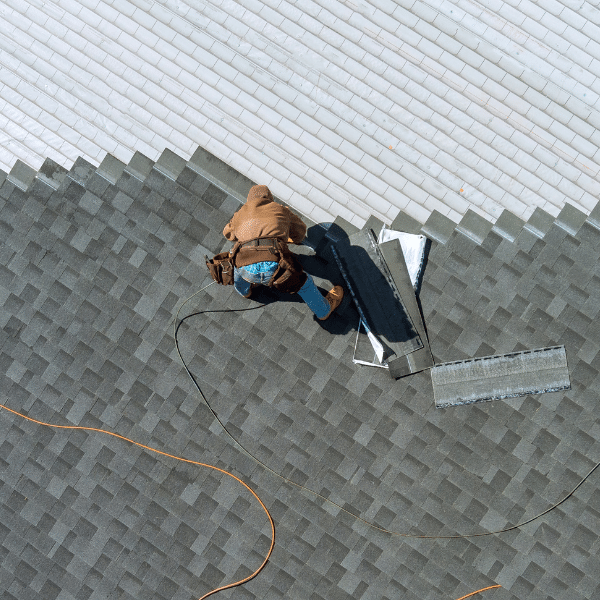
Utah homes face weather conditions that can be harsher and more unpredictable than in many other states. Strong winds, fast temperature swings, long winters, and high UV exposure all contribute to how adjusters evaluate roof damage.
Major Utah weather factors include:
- High winds that lift, bend, or tear shingles
- Hailstorms that bruise or crack asphalt shingles
- Snow loads that shift and create pressure points
- Ice dams that force melting water under shingles
- Intense summer sun that weakens aging shingles
When a weather event is tied to the leak, approval becomes easier. Insurance companies keep detailed reports of local storms, and adjusters can match your claim with those records. If a severe storm hit your area recently, the process becomes much more straightforward.
If your roof was already weakened before the storm, the adjuster may determine that the weather only revealed an existing problem rather than caused new damage. That distinction is a major part of the approval process.
How to Document a Roof Leak for a Higher Chance of Approval
Documentation is one of the most important parts of the claims process. A clear set of photos and notes can make the difference between approval and denial.
Here is a simple method that works well:
- Photograph the affected ceiling or wall from several angles
- Take close up photos of any moisture lines or active dripping
- Safely photograph the roof exterior if possible
- Capture missing or lifted shingles and any visible bruising
- Write down the date and time you discovered the leak
- Record any storms or wind events in the days prior
- Save all receipts for temporary repairs or materials
Adjusters appreciate clear evidence because it confirms the timeline and the source. Your documentation helps demonstrate that the damage was sudden rather than long term.
Temporary Repairs Most Insurers Will Reimburse
Homeowners sometimes hesitate to take action before an adjuster arrives. They fear that touching the roof may impact their claim. In reality, insurers expect you to minimize further damage.
You can safely do the following:
- Place a tarp over the affected area
- Collect dripping water with buckets
- Use fans or towels to reduce moisture
- Have a professional apply a temporary patch if necessary
These steps protect your home and often reduce the total damage. Always photograph the area before making any repairs and keep receipts. Most policies reimburse reasonable emergency repair costs.
When a Roof Leak Turns Into a Full Roof Replacement
Not every leak can be solved with a small repair. Sometimes the underlying problem is widespread or severe enough that a partial fix would not restore the roof to its original condition. In these cases, insurance may consider covering a larger portion of the roof or even a full replacement.
A full replacement becomes more likely when:
- Large areas show hail bruising
- Wind has loosened or lifted multiple sections
- Patching would leave weak points or mismatched areas
- The existing shingles cannot be matched in color or style
- The decking or underlayment has been compromised
Insurance companies want the final result to be consistent with the roof’s prior condition. If a patch would leave your home vulnerable or visually inconsistent, a replacement may be approved.
How Roofing Contractors Support Insurance Claims
Professional roofing support can make the claims process much smoother. Adjusters often rely on contractors to verify technical details and identify storm related issues.
A skilled roofing contractor can:
- Confirm storm damage and identify the source
- Provide clear photo documentation
- Distinguish sudden damage from long term wear
- Prepare an inspection report with repair recommendations
- Meet with the adjuster during the assessment
This process helps ensure that nothing is missed. It also gives the adjuster confidence that the claim is valid and that the recommended repairs are appropriate.
Expertise You Can Trust
At Intermountain West Contractors, we inspect roofs across Utah every week. Our work covers West Jordan, the Wasatch Front, Summit County, Wasatch County, Logan, and nearby communities. We understand how local storms affect roofs and how insurance companies evaluate those patterns.
Homeowners often call us when they see the first stain or hear the first drip. Others reach out after a major storm. In both cases, we guide them through what happened, how serious the damage is, and what the insurance company will likely say.
That experience helps remove uncertainty. Your home deserves clear and honest answers, and that is exactly what we provide.
Considering a Claim or Need an Inspection
If you suspect that your roof leak may qualify for insurance and you want clarity before calling your provider, our team can help. A thorough inspection gives you the facts you need to move forward confidently.
You can explore our roofing services or request a free roof estimate to learn more. When you understand the cause of the leak and your repair options, the claim process becomes much simpler.
Ready to take the next step? Visit our main website or request a complimentary inspection.
Frequently Asked Questions About Roof Leaks and Insurance
Will insurance cover interior water damage?
Yes, but only when the leak was caused by a covered event. If wind lifted shingles or hail damaged the roof, the interior repairs are usually included. This may cover drywall, paint, insulation, and flooring. If the leak developed slowly due to neglect or poor maintenance, interior damage is often denied because it could have been prevented.
How fast should I file a roof leak claim?
Immediately. The sooner you report the leak, the stronger your claim. Waiting too long allows the adjuster to argue that the damage was gradual. Quick reporting creates a clear timeline that links the damage to a specific weather event, which improves your chance of approval.
Do insurance companies pay for a full roof replacement?
Sometimes. If the damage is widespread or if a repair would create mismatched shingles or visible inconsistencies, the insurer may approve a full replacement. If you want to understand your options, learn more about our new roof installation services.
Can I fix a leak before the adjuster arrives?
Yes. Insurers expect you to prevent further damage. Covering the roof, collecting water, using fans, or hiring temporary repair services are all acceptable. Photograph everything before starting repairs and save your receipts.
Does Utah weather help or hurt my claim?
It can help. Utah experiences strong winds, heavy snow, and hail events that are easy for adjusters to verify. If your leak aligns with a documented weather event, your claim becomes easier to prove. Homeowners throughout Utah, including those in Bountiful and Sandy, often benefit from this documentation.
Protect Your Home and Get Answers You Can Trust
A roof leak can feel overwhelming, especially when insurance questions start to surface. The positive news is that many leaks caused by storms or sudden events qualify for coverage. The key is to understand how insurance companies evaluate the damage and to act quickly.
Now that you have a clear understanding of what insurance typically covers, you can move forward with confidence. If you need help assessing your roof or deciding whether to file a claim, we are here to help. Our team serves homeowners throughout West Jordan and the broader Wasatch Front.
Explore our residential roof installation services or schedule a free consultation when you are ready.
Related Reads:

- How to Choose the Best Roofing Materials for Your Utah Home - March 2, 2026
- Does Homeowners Insurance Cover Roof Leaks? - December 16, 2025
- Should I Repair Or Replace My Commercial Roof? - December 9, 2025
Comments are closed