
Commercial Roof Repairs: A Practical Guide For Building Owners And Facility Managers
Commercial roof repairs are one of those projects that rarely show up on the budget at a convenient time, yet the stakes are high. A leaking or failing roof can damage equipment, inventory, and interiors, disrupt operations, and even put occupants at risk. The good news is that with the right information and a clear repair strategy, you can stay ahead of problems instead of reacting to emergencies.
In this guide, we share what we have learned from years of working with commercial roofs across Utah’s Wasatch Front and similar climates. We walk through how commercial roof systems work, what typically goes wrong, the warning signs to watch for, and how to plan repairs that protect both your building and your bottom line. Whether you manage one small office or a portfolio of facilities, this practical overview will help you make confident, informed decisions about commercial roof repairs.
Understanding Commercial Roof Systems And Common Problems
Commercial roofs are very different from residential roofs, and understanding those differences is the first step in making smart repair decisions.

Flat And Low-Slope Roofing Types
Most commercial buildings use flat or low-slope roofing. The main systems we see include:
- Built-Up Roofing (BUR): Multiple layers of felt and asphalt with gravel on top. It is durable but can be harder to diagnose when leaks occur because there are several layers.
- Modified Bitumen: Asphalt sheets reinforced with fiberglass or polyester, usually applied with heat or adhesives. Seams and flashings are common weak points.
- Single-Ply Membranes: EPDM (rubber), TPO, and PVC are popular. They are lighter, have fewer seams than older systems, and are relatively quick to repair, but punctures and seam failures can cause leaks.
- Metal Roofing: Often used on warehouses, industrial buildings, and some office complexes. Panels can last a long time, but fasteners, seams, and transitions are critical to keep watertight. For more on metal roofing, check out our metal roof installation service in Utah.
- Asphalt Shingle Roofs on Commercial Buildings: Smaller offices and retail spaces sometimes use architectural shingles similar to residential homes. For those buildings, manufacturer-certified installation and repair (such as Owens Corning systems) becomes very important for warranty and performance.
Knowing which system you have, how old it is, and how it was installed sets the stage for choosing the right repair approach.
Typical Causes Of Commercial Roof Damage
Even a well-built commercial roof is constantly under attack from the environment and building use. Common causes of damage include:
- UV and weather exposure: Sun, wind, snow, ice, and large temperature swings break down roofing materials over time.
- Ponding water: Flat roofs that do not drain properly allow water to sit and accelerate deterioration, especially around seams and penetrations.
- Foot traffic and abuse: HVAC service, antenna installation, and other trades can puncture membranes, crush insulation, or damage flashings if walk paths and protection are not in place.
- Improper repairs: Quick patches with the wrong materials can trap moisture, void warranties, and create more problems later.
- Aging and deferred maintenance: Ignoring small leaks or minor blisters allows water to travel laterally, saturate insulation, and weaken the roof deck.
What this really means is that most big commercial roof problems start as small issues. Catching and addressing them early is where you save the most money and disruption.

Warning Signs Your Commercial Roof Needs Repair
Your roof rarely fails all at once. It usually gives you plenty of warning, both on the exterior and inside the building, if you know what to look for.
Visible Exterior Red Flags
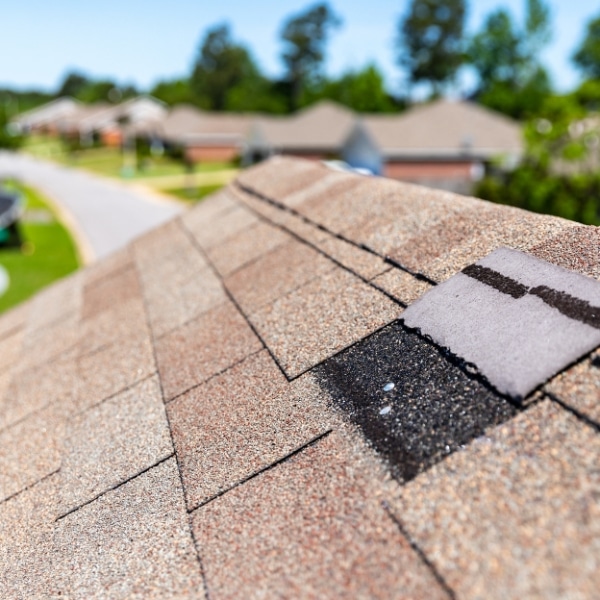
During a professional inspection or a basic visual check from safe vantage points, watch for:
- Standing water (ponding) that lingers more than 48 hours after rain or snowmelt.
- Cracked, split, or open seams on membranes or modified bitumen rolls.
- Blisters, bubbles, or wrinkles in the roofing surface, which can signal trapped moisture or adhesion problems.
- Loose or missing gravel on built-up roofs, exposing the asphalt to UV damage.
- Damaged flashings around HVAC units, pipes, skylights, and parapet walls.
- Rust, loose fasteners, or separated panels on metal roofs. For more about the maintenance of metal roofing systems, visit our roofing services page.
- Excess sealant patches that look improvised or mismatched, which may indicate recurring leaks.
If you notice any of these conditions, it is time to schedule a more detailed evaluation before minor issues evolve into interior damage.
Interior Indicators Of Water Intrusion
Inside the building, the roof is often blamed only when water is literally dripping, but there are earlier clues:
- Stained ceiling tiles or drywall, especially in consistent patterns after storms.
- Peeling paint or bubbling on walls and ceilings.
- Musty odors in certain areas, even if you do not see visible water.
- Warped, cupped, or damaged flooring in top-floor spaces.
- Corrosion on structural steel or equipment near the roof deck.
We also pay attention to energy bills that are creeping up since wet insulation under a roof loses R-value and forces HVAC systems to work harder. Any combination of these signs should trigger a professional roof inspection and a repair plan.
Safety And Risk Considerations Before Any Roof Repair
Before anyone steps onto a commercial roof, safety has to be the priority. Flat and low-slope roofs often hide hazards like weak spots in the deck, skylights that are easy to step through, trip hazards from cables and conduit, and slippery surfaces from algae or ice.
As licensed roofing contractors, we start every commercial roof repair with a risk assessment. That includes fall protection planning, identifying access points, checking structural conditions, and coordinating with facilities staff on rooftop equipment shutoffs if needed.
Building owners and facility managers should insist on crews that follow OSHA guidelines, have proper insurance, and use the right safety gear. Allowing untrained staff or multiple trades to “fix” roof problems without oversight can create liability issues, damage the roof further, and put people in harm’s way.
In short, a safe repair is the only kind of repair worth doing, and safety planning should always be built into the project scope and schedule.
Planning A Commercial Roof Repair Strategy
Effective commercial roof repairs start with a plan, not a tube of sealant. The goal is to match the solution to the actual condition of the roof and the needs of the business.
Assessing Condition: Repair, Restore, Or Replace?
We typically walk building owners through three main paths:
- Targeted repairs: Best for localized damage on an otherwise sound roof. Examples include fixing a damaged curb flashing, patching a membrane puncture, or addressing a small area of wet insulation.
- Roof restoration: When the roof is aging but still structurally intact, coatings or overlay systems can extend life by 10 to 20 years at a lower cost than full replacement. A thorough moisture survey and adhesion testing are critical here. For more options on restoration, check our roof replacement services.
- Full replacement: Appropriate when the system is at or beyond its service life, widespread moisture is present, or prior repairs have been layered to the point that the system cannot perform as designed.
The right choice depends on age, warranty status, leak history, test results, and long-term ownership plans for the building.

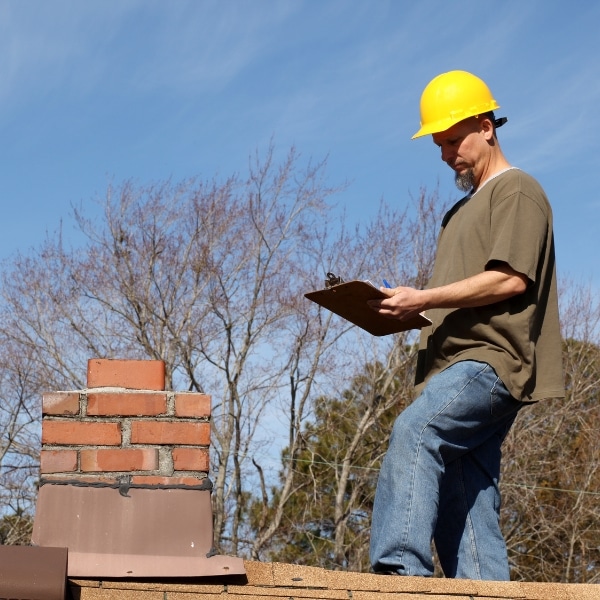
Budgeting, Timing, And Minimizing Business Disruption
Once we determine the right approach, we look at:
- Budget structure: Phased repairs vs full project, capital vs operating expenses, and available financing options.
- Season and weather: In climates like Utah, we try to schedule larger projects away from the heart of snow season or peak monsoon rains when possible.
- Operational impact: For hospitals, manufacturing plants, and retail centers, noise, dust, and limited access all matter. We often schedule work in off-hours, weekends, or sections to keep core operations running.
A clear plan with scope, timeline, and communication expectations will keep surprises to a minimum and help your team coordinate around the work.
Common Commercial Roof Repair Methods
Commercial roof repairs are not one-size-fits-all. The right method depends on the roof system, the cause of the problem, and future plans for the building.
Leak Detection And Targeted Patch Repairs
Finding the true source of a leak in a commercial roof is often more complex than following a drip. Water can travel laterally within roof assemblies before it appears indoors.
We use a combination of roof walks, core cuts, infrared scans, and sometimes electronic leak detection to pinpoint trouble areas. Once identified, targeted patch repairs can involve:
- Removing and replacing wet insulation and membrane in a defined area.
- Installing compatible patch materials that match the existing system.
- Properly tying new materials into the surrounding field to maintain warranties.
Done correctly, these repairs blend into the existing roof and restore performance without the cost of large-scale replacement.
Seam, Flashing, And Penetration Repairs
A high percentage of commercial roof leaks originate at weak points rather than in the open field. Common repair work includes:
- Reinforcing or re-welding seams on TPO, PVC, or modified bitumen systems.
- Rebuilding flashings at equipment curbs, parapet walls, drains, and skylights.
- Resealing terminations and edge metal where wind uplift forces are strongest.
These details require system-specific materials and installation methods. Using the wrong sealant or incompatible materials can cause premature failure, so we always match manufacturer guidelines.
Coatings And Restoration Systems
For aging but still viable roofs, restoration can be a smart middle ground between constant repairs and full replacement.
Common restoration approaches include:
- Acrylic or silicone roof coatings applied over existing membranes or metal to improve waterproofing, reflectivity, and energy performance.
- Foam and coating systems that add insulation value and create a monolithic surface.
Before recommending coatings, we address existing leaks, replace wet insulation, and ensure proper adhesion and drainage. When designed and installed correctly, a restoration system can add years of service life and often comes with new manufacturer warranties tailored to commercial owners.
Working With Professional Commercial Roofing Contractors
Choosing the right commercial roofing partner has as much impact on the success of a repair as the materials themselves.
What To Expect During The Repair Process
A professional commercial roofing contractor should provide:
- Initial consultation and inspection to understand your roof type, age, and leak history.
- Detailed condition report with photos, test findings, and clear recommendations.
- Scope of work and pricing that spell out exactly what will be done, which areas are included, and what materials will be used.
- Safety and access plan coordinated with your team, including staging, noise expectations, and protection of landscaping and parking.
- Daily communication during the project so you know what was completed and what is next.
- Final walkthrough and documentation once the work is complete.
Our goal on every project is to leave the roof better than we found it and to give you the information you need to manage it moving forward.
Questions To Ask And Documentation To Request
When you are interviewing commercial roofers, it helps to come prepared. Key questions and documents include:
- Are you licensed, insured, and experienced with my specific roof system?
- Do you use in-house crews or subcontractors, and who supervises the job?
- Are you manufacturer-certified for the products you are installing or repairing?
- Can you provide recent commercial references in my area? If you need a local provider, consider roof replacement and installation services in Draper.
- What warranties are available on both materials and workmanship?
- Will I receive as-built photos, inspection reports, and warranty registration after completion?
At IWC Roofing, we find that clear documentation and honest answers on the front end build the trust needed for long-term relationships with building owners and facility managers.
Preventive Maintenance To Extend Roof Life After Repairs
Once repairs are complete, the focus should shift to keeping your commercial roof in top shape for as long as possible.
Recommended Inspection Schedules And Maintenance Tasks
We typically recommend:
- Biannual inspections: Once in the spring after freeze-thaw cycles and once in the fall before winter weather hits.
- Post-storm checks after major wind, hail, or heavy snow events.
During inspections, we look for:
- New punctures or membrane damage.
- Debris buildup around drains and scuppers.
- Sealant shrinkage or cracking.
- Early signs of rust on metal components.
Routine maintenance tasks often include clearing debris, tightening or replacing fasteners, touching up sealant, and documenting any developing issues.
Record keeping, Warranties, And Future Capital Planning
Strong documentation is one of the most overlooked parts of commercial roof management. We recommend keeping a dedicated roof file that includes:
- Original plans and specifications, if available.
- All inspection reports, repair invoices, and photos.
- Warranty documents and contact information for manufacturers.
- Notes on leaks, locations, and how they were resolved.
This history helps you track performance, make warranty claims when appropriate, and plan for eventual replacement rather than being surprised by it. With accurate records, you can build roof projects into your capital plan years in advance, which is far easier than scrambling during an emergency.
Commercial Roof Repair FAQs
Common warning signs include ponding water that remains more than 48 hours, cracked or open seams, blisters or bubbles in the membrane, loose gravel on built-up roofs, rusted or loose metal panels, and interior issues like ceiling stains, musty odors, or peeling paint after storms.
Commercial roof repairs typically involve flat or low-slope systems such as TPO, PVC, EPDM, modified bitumen, BUR, and metal. These roofs have more seams, penetrations, and equipment, requiring system-specific materials, leak detection methods, and safety planning that are very different from steep-slope residential shingle work.
Targeted commercial roof repairs are best for localized damage on an otherwise sound system. Restoration is ideal for aging but structurally intact roofs. Full replacement makes sense when the roof is at or past its service life, has widespread moisture, or has layered, failing repairs that compromise performance.
A professional process includes an initial inspection, condition report with photos, and clear repair recommendations. The contractor provides a detailed scope, pricing, safety and access plan, daily updates during work, and a final walkthrough with documentation, photos, and warranty information so you can manage the roof going forward.
Costs vary widely based on roof type, access, damage extent, and materials. Small targeted repairs can be a few hundred to a few thousand dollars, while larger restoration or replacement projects can reach tens or hundreds of thousands. A thorough inspection and written proposal are essential for an accurate budget.
DIY commercial roof repairs are risky. Flat roofs often hide structural and safety hazards, and improper patches can trap moisture, void warranties, and lead to more expensive damage. For safety, code compliance, and long-term performance, it’s best to use licensed, insured commercial roofing contractors who follow manufacturer guidelines.
Don’t Let Your Roof Problems Escalate: Take Action Today!
Commercial roof repairs do not have to be a guessing game or a constant emergency. With a clear understanding of your roof system, attention to early warning signs, and a structured plan for assessment, repair, and maintenance, you can protect your building, your people, and your budget.
As a Utah-based roofing contractor serving West Jordan, the Wasatch Front, and surrounding communities, we have seen how small, proactive steps can add many years to a commercial roof’s life. If you are seeing signs of wear or dealing with leaks, the best time to act is before the next storm, not after it.
We are here to help you evaluate your options, from targeted repairs and restoration coatings to full replacement when it is truly needed. When you are ready to talk about your commercial roof, Intermountain West Contractors (IWC Roofing) is ready to listen and provide a clear, honest plan. For more information, visit our contact page..